


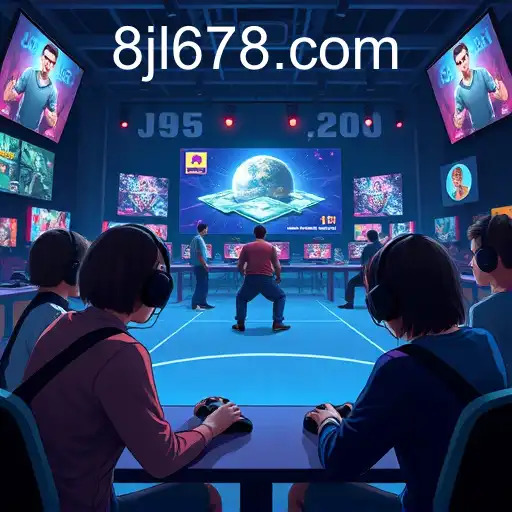
The gaming industry is witnessing a remarkable renaissance in 2025, with platforms like jl678 at the forefront of this digital revolution. As technology continues to advance, the ways in which games are designed, played, and consumed are evolving, bringing about dynamic shifts in both the industry and the surrounding community.
In recent years, gaming has transcended its traditional boundaries, rapidly becoming a cornerstone of entertainment culture worldwide. This is largely due to the innovative platforms like jl678, which provide a vast array of English-language games that cater to both casual and hardcore gamers. The accessibility of such platforms has democratized gaming, allowing people from all walks of life to engage in this digital pastime.
The global gaming community is also experiencing a notable transformation. Online forums and social media are alive with vibrant discussions about game strategy, reviews, and the sharing of user-generated content. Jl678, in particular, has established a robust environment where gamers can interact, compete, and collaborate with one another, further solidifying its place as a leading platform in the gaming ecosystem.
Economic analysts have noted significant growth in the gaming sector over the past year, with projections indicating this trend will continue. The integration of cutting-edge technologies like virtual reality and augmented reality is only accelerating this momentum. Moreover, the rise of eSports as a legitimate sporting phenomenon has lent credibility and mainstream appeal to gaming, drawing in sponsorships and a broader audience.
As gaming continues to expand its influence, the role of platforms such as jl678 becomes ever more crucial. By offering fresh and engaging content, supporting inclusive community practices, and fostering innovative collaborations, these platforms are shaping the future of interactive entertainment. The current trajectory suggests that the gaming industry will not only sustain its growth but might also redefine itself in ways that further blur the lines between games, education, and social interaction.